Dana's Grand Canyon Rim-To-Rim Hike
26 Miles. One Goal: A Cure for Ataxia.

recent posts
Hello, friends! 🌟 Welcome to my blog. I’m excited for you to join me on my journey of preparation and adventure as I gear up for the ultimate challenge: a 26-mile rim-to-rim hike in the majestic Grand Canyon! 🏞
This isn’t just any hike—it’s a test of endurance, strength, and determination, all for a noble cause: raising funds for Ataxia research. 🚶♂️💪
Here, you’ll find updates on my training progress, insights into the highs and lows, and a peek into the breathtaking beauty at the canyon on the day of the hike. From the North Rim to the South Rim, every step is a story, and I can’t wait to share it with you. 🌄
Countdown to the Grand Canyon Hike: October 18, 2025! ⏳
-
It was amazing!
-
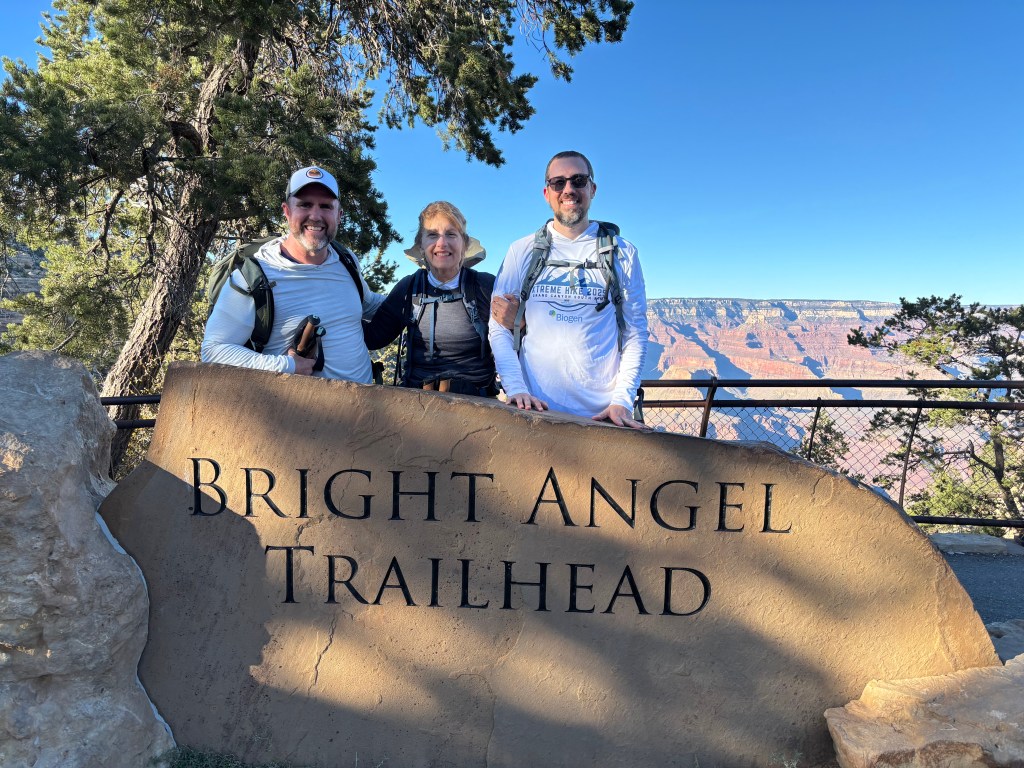
WOW!
We did it!! This extreme hike in the Grand Canyon was a difficult yet incredible experience! These 2 guys are my new best friends for life…….Joe and Seth. We made the journey out of the canyon together. I’m so proud of us but especially proud of them! They both have Ataxia and were my inspiration the whole trek up. It’s amazing what you can do when you put your mind to it! These guys are living proof of that. A big shout out and congratulations to the other 19 hikers in our group who also completed this hike! We crushed it! Pictures will follow….
-
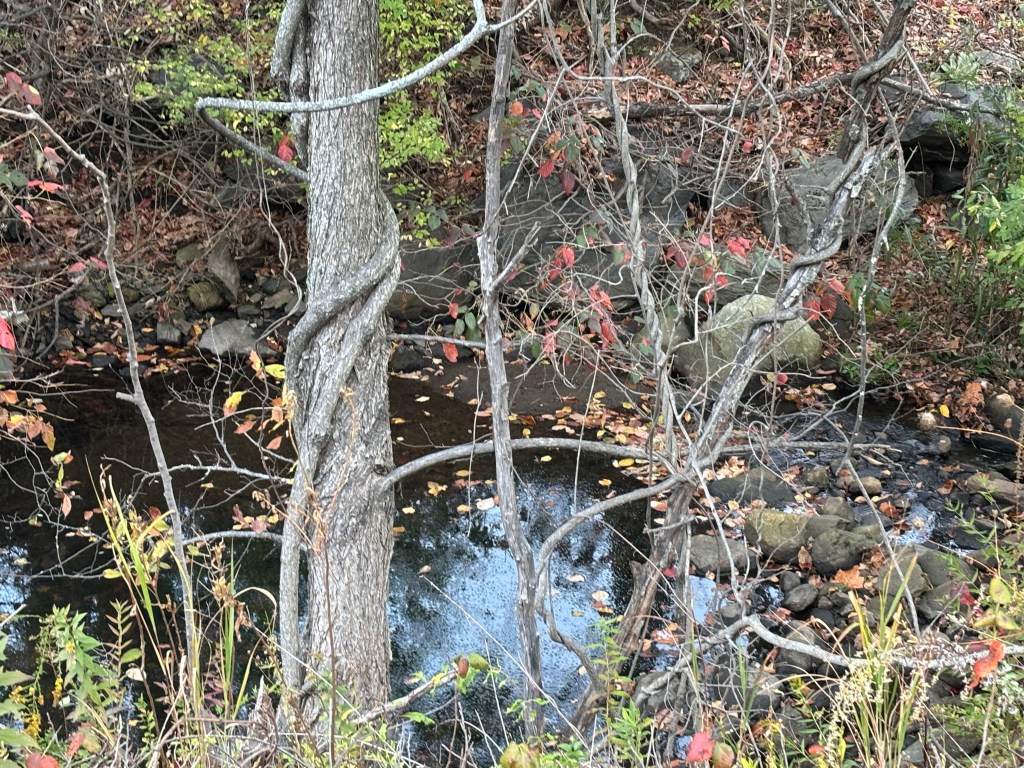
Reflections leading into the extreme hike
-
Whoa less than 2 weeks out!
This week I got myself back into the gym for some strength training and time on the StairMaster. It felt great to get back to ‘training’ after vacation. On Saturday, I completed my final long walk before the big hike in the Grand Canyon. With that milestone behind me, I’m officially winding down.
But while the physical training is tapering off, the prep hasn’t stopped. I spent a good chunk of the week researching food! Trying to figure out what food I’ll be bringing with me for the hike along the South Kaibab Trail. It’s a one-day trek, expected to take anywhere from 12 to 15 hours, and I’ll need enough water and food to keep my energy up for the entire journey.
It sounds simple—pack food and go—but it’s actually a bit of a challenge. I need meals and snacks that are lightweight, nutrient-dense, and allergy-friendly (no fish, no nuts). If you’ve ever looked at protein bar ingredients, you know how tricky that can be. So I turned to Pinterest, YouTube, and Amazon to help me brainstorm recipes and find the right containers to carry everything in. I’ll be hauling five liters of water, so keeping my pack light is a priority.
After testing a few recipes, I think I’ve landed on a solid plan for both food and gear.
Looking ahead, this coming week will be much more relaxed—shorter walks, no more half-day Saturday treks. I’m feeling a mix of excitement and nerves, but mostly I’m just ready. Ready to take on this challenge and see what I’m capable of.
Thanks for following along. I’ll check in next week as I make my way over to Phoenix! 😊
-
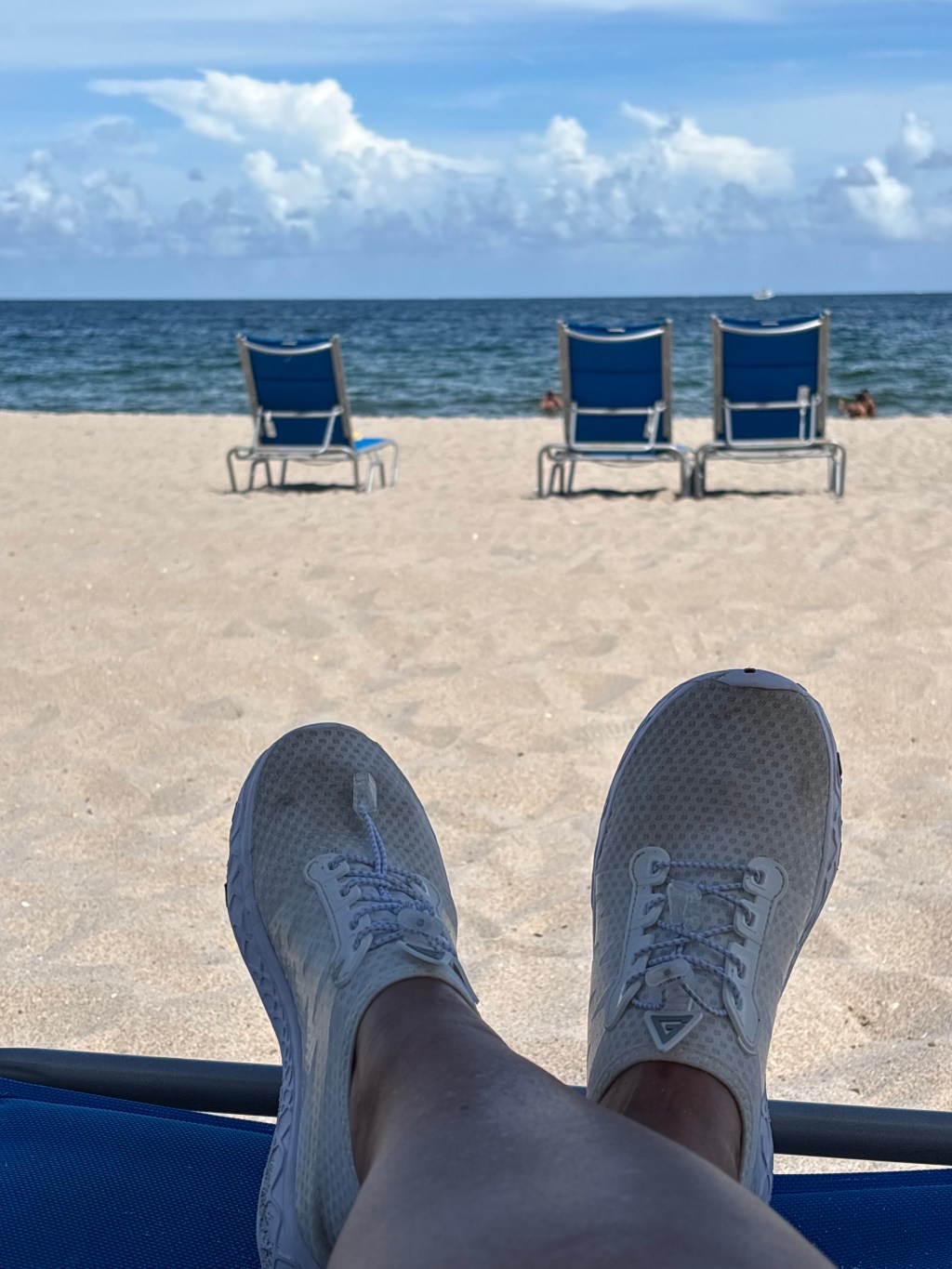
A change of scenery
This week I had to get a little creative. I was on vacation which meant I had no access to a gym and no weight training. Despite that I still managed to walk a total of 12 miles for the week and I felt accomplished! I started each day with a peaceful 3 mile walk, capturing beautiful sunrise photos along the way. I was proud of myself for making the effort. After all I was on vacation!
I’m looking ahead – just about two and a half weeks left until the big hike! I’m second guessing my training and wondering if I’ve done enough to prepare but at this point, it is what it is. Plenty of people tackle it without perfect prep, and I know I can do it too.
Ataxia fact of the week:
Did you know that there are support groups for people living with Ataxia? These groups offer a chance to connect with others who truly understand the experience. The power is in the shared stories, the sense of community, and the meaningful connections formed. Knowing you are not alone makes all the difference.
-
It’s about to get real
This week, I got all my weight training in. I mixed things up a bit and focused on the essentials: quads, hammies, core, and calves. Basically, everything I’ll need to survive those hills without having to be air flighted out half way through.
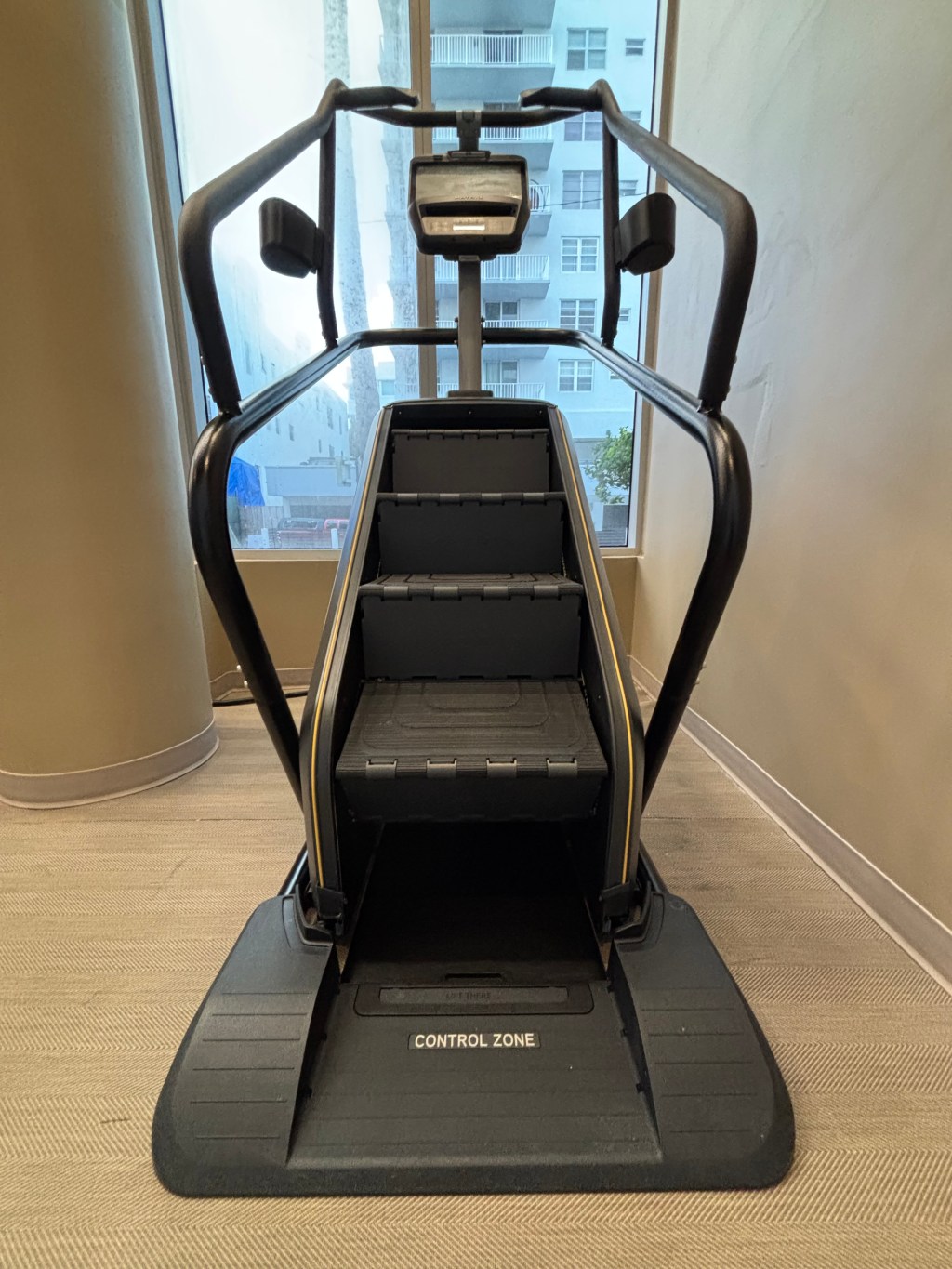
I also hopped on the StairMaster for 15 minutes. It’s like climbing a mountain that never ends! My goal is to gradually increase that time over the next couple of weeks—slow and steady, is king!
Next week’s big challenge? Vacation. Saturday is a travel day, so the usual long walk is off the table. But thanks to a wise friend (and a little creative thinking), I’m going to break up the mileage across the week. It’s not glamorous, but it adds up—and let’s be honest, it’s way better than doing nothing.
As for nutrition, well… vacation is where good intentions go to snack. I’m aiming to be as healthy as possible while still enjoying myself. Because yes, I will eat the salad—but I might also ask if it comes with fries.
I’m inching closer to the big event, and I can feel it—it’s going to be awesome. Until then, I’ll keep climbing, training, and pretending the StairMaster is my friend.
-

Talk me off the ledge
-

I had a walking partner this week!!!
The countdown is ON, baby! Just six weeks until the hike, and I am beyond excited. This is a once-in-a-lifetime adventure, and I’m staying laser-focused on my training and health — no injuries, no sniffles, no excuses!
This Week’s Wins:
I crushed all my workouts! One day I couldn’t make it to the gym, so I swapped machines for dumbbells — and let me tell you, I’m extra sore (in a good way). The real highlight? A 12-mile hike on Saturday with a dear friend who reached out and said, “I want in!” She joined me, and it was amazing. The miles flew by, we caught up on life, and it reminded me how special these moments are.I also tackled Purgatory Chasm — rocks, twists, turns, and a little challenge thrown in. But hey, that’s what training’s all about!
Shoutout Time:
I want to give a huge thank-you to my friends at Biohaven Pharmaceuticals. They’ve been incredibly supportive of me and the Ataxia community. They’re doing amazing work — and I’m proud to call them friends. Their dedication to patients and families in clinical trials is inspiring.Final Thoughts:
Stay focused. Keep chasing your goals. Wishing everyone an awesome week ahead. Let’s keep pushing forward. See you next time! -
Trail Angels and Unexpected Guides at REI
This week, I had a great experience at REI that turned into much more than a quick gear run. I ended up spending over an hour talking with two incredibly kind and knowledgeable gentlemen. One helped me find a backpack that actually fits—something I didn’t realize was so tricky! I mean it’s just a backpack right? Um, not really…… I had no idea there was so much to consider! The other had worked as a river guide in the Grand Canyon and shared a ton of insight about the trails, the landscape, and what to expect. I went in for gear and walked out with advice, stories, and a whole lot more excitement for my upcoming trip.
The former river guide also gave me a quick lesson on trekking poles—which, as it turns out, I’d been using more like ski poles than actual hiking tools. After about 15 minutes of tips and practice, I left feeling much more confident (and slightly less likely to trip myself on the trail). These two men, well into their 70s or 80s but clearly still full of energy and passion, were an unexpected gift. I truly believe they showed up in my day for a reason—to help me feel more prepared, more at ease, and more excited for what’s ahead in October.
The Ataxia fact of the week:
Problems with cognition and emotion can be related to cerebellar damage in Ataxia. While the cerebellum is known for motor control, it also has non-motor regions connected to brain areas responsible for thinking, memory, and emotion. Damage to these regions can lead to what’s known as Cerebellar Cognitive Affective Syndrome, which includes difficulty expressing thoughts logically and coherently, memory problems, and impairments in executive function and visual-spatial skills. Mood changes are also common and may include depression, apathy, irritability, and limited frustration tolerance. Social interaction can be affected, particularly in children, and tasks that once felt automatic may now require conscious effort and new strategies.
And now you know, 1 more thing about Ataxia! See you next week.
-
Just me, myself and I………..
This week, I attended a meeting with the organizers of the Grand Canyon hike to get the latest scoop. The fires are currently only 60% contained, which—let’s be honest—makes planning this hike a bit challenging. Routes are opening and closing daily, so this hike is officially an adventure and a surprise. It’s nature’s version of a mystery box: we won’t know what trail we’re hiking until the day before… or maybe the day of.
On a serious note, my thoughts and prayers are with everyone affected by these fires. It’s a heartbreaking situation, and I’m grateful for the firefighters and responders working tirelessly.
In other news, I met with a nutritionist this week to figure out how to fuel my body properly for the hike. Turns out, I’ve been not eating nearly enough carbs or protein! She gave me a sample meal plan, and we’ll check in again in a couple of weeks. I already noticed a little more energy on my hike this weekend, so either the plan is working, my body is stronger or it’s a combination of both.
Speaking of the hike—I walked 15 miles on Saturday. It took me five and a half hours. I won’t sugarcoat it: it was tough. Have you ever spent five and a half hours alone with your own thoughts? It’s not easy! You learn a lot. Like how many random jingles you know, how long you can argue with yourself about whether that cloud looked like a turtle, and how many scattered thoughts go in and out of your mind in the span of a few minutes!
It’s challenging to walk 15 miles. But there’s no room for debate – so in the immortal words of Nike: – Just do it! (preferably with snacks)
Now for the Ataxia Fact of the Day: How are Ataxia and its symptoms treated? Well, there’s no magic pill yet. If the cause can be identified, sometimes it can be treated or modified. Most genetic causes aren’t treatable—yet—but research is making strides. For now, treatment focuses on improving quality of life through education and managing specific symptoms. So while we wait for science to catch up, we keep learning, supporting, and hoping.
And that’s the update! Onward to next week. Take care, everybody!
 Dana's Grand Canyon Rim-To-Rim Hike